
A Vibrant Racine: Art, Access, and Connection
Place-based development is an approach that uses the unique natural, physical, and cultural characteristics of a location—and its people—to optimize interventions for smart, equitable growth.
It considers the emotional attributes of a community alongside physical improvements, ensuring a long-term, holistic benefit to residents and guests, and thereby the entire community. Place-based initiatives are at the forefront of community planning strategy in towns, cities, and counties around the globe, and the arts and culture are key to creating the cultural vibrancy that defines their success.
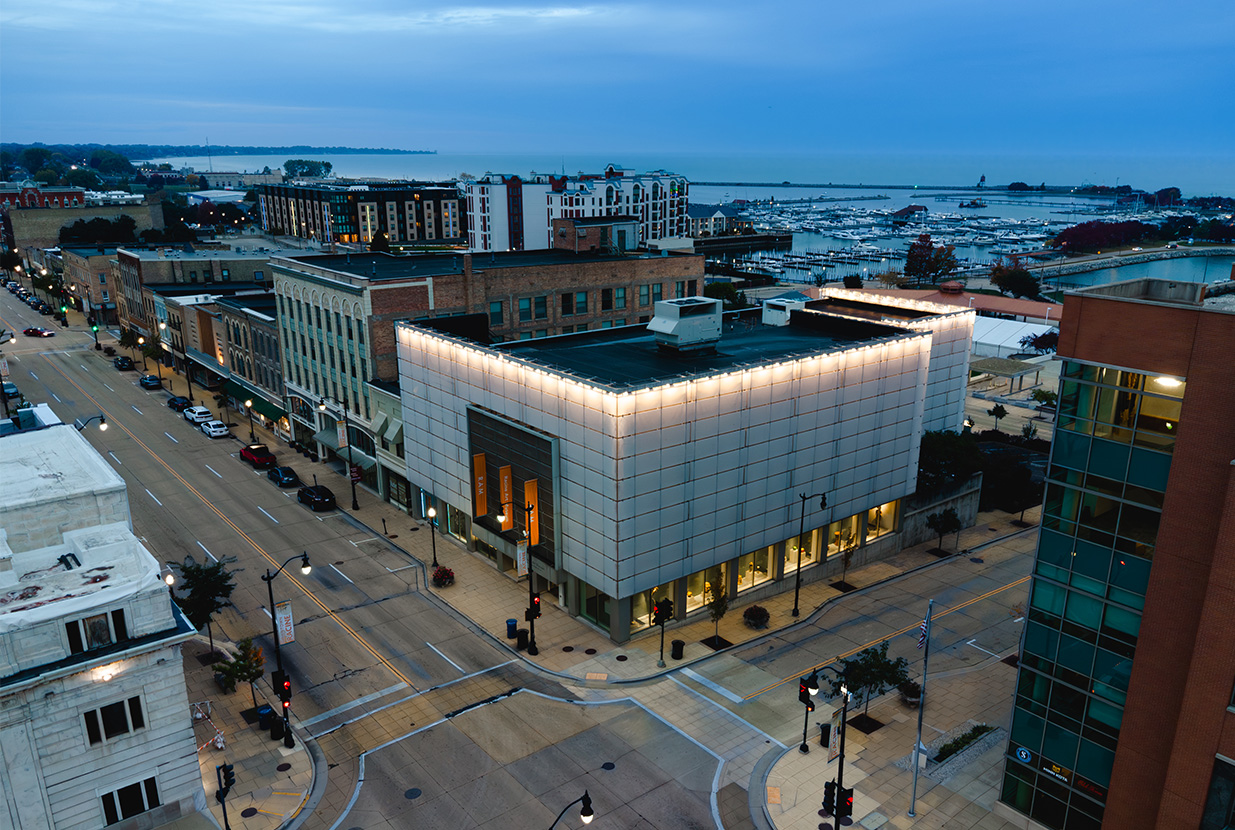
Fortunately, Racine County is rich in cultural resources, community character, and a strong sense of history, supported by a vibrant network of nonprofit organizations, museums, community groups, artists, and historians who collectively enrich the region’s cultural landscape. Together with our partners in the creative sector, the Racine Art Museum (RAM) plays a key role in nurturing this cultural vibrancy in Racine and beyond. This impact can be understood across two interconnected spheres—economy and society.
As part of the creative economy, RAM contributes to a growing sector that supports jobs, innovation, and regional development. In Wisconsin, the creative industries support 89,000 jobs and contribute $11.9 billion to the state’s economy. Each year, RAM welcomes nearly 50,000 cultural tourists, who typically spend more than other visitors—benefiting local businesses, restaurants, hotels, and creative professionals. The museum’s local economic impact has been estimated at $5–6 million annually. At the same time, RAM’s exhibitions and programs foster creativity itself—a proven catalyst for innovation and entrepreneurship, and a reflection of Racine’s long history of ingenuity.
Equally important is the role arts and culture play in shaping community life. Cultural vibrancy contributes to livability—the quality of life experienced by residents and visitors. Artistic experiences ignite inspiration, invite reflection, and encourage engagement. They foster pride in place and help define a community’s identity. Increasingly, decisions about where to live, work, and start businesses are influenced by these qualities, as well as by access to cultural amenities.
Accessibility is central to this work. For cultural vibrancy to be meaningful, opportunities for creative engagement must be open and available to a wide range of people. This includes not only physical access, but also programming that is inclusive, welcoming, and responsive to diverse perspectives and abilities. By reducing barriers and encouraging participation, RAM helps ensure that more people can engage with art and feel a sense of connection to the community.
This access supports a broader sense of belonging. When individuals feel welcomed and represented, they are more likely to participate in civic and cultural life. Through exhibitions, public programs, and partnerships, RAM creates opportunities for people to gather, share experiences, and engage in dialogue. These interactions foster social cohesion—strengthening relationships, building understanding, and contributing to a more connected community.
Looking ahead, RAM’s efforts to enhance cultural vibrancy center on three core areas: placekeeping, community belonging, and social connectedness. Placekeeping recognizes and celebrates Racine’s existing cultural identity, history, and people, ensuring that growth remains grounded in what makes the community distinct. Community belonging focuses on creating inclusive spaces that encourage participation, dialogue, and shared experience. Social connectedness emphasizes the importance of bringing people together through creative engagement, fostering relationships that contribute to both individual well-being and collective resilience.
Cultural vibrancy is not static. It must be nurtured, sustained, and adapted over time. Through collaboration, inclusion, and a continued investment in creativity, RAM contributes to a cultural ecosystem that supports economic vitality while strengthening the social fabric of Racine County—helping to make it a more vibrant, connected, and welcoming place to live.